What happens when you start talking about money, not with numbers, but with real life?
At Ya Bana Village in South Africa, I had the opportunity to explore that question with four very different groups. From house mothers and young adults to fathers, role models and teenagers, each group had a different story, and a different relationship with money.
What followed were conversations about saving, dreams, choices, entrepreneurship and building a more independent future.
1. The House Mothers
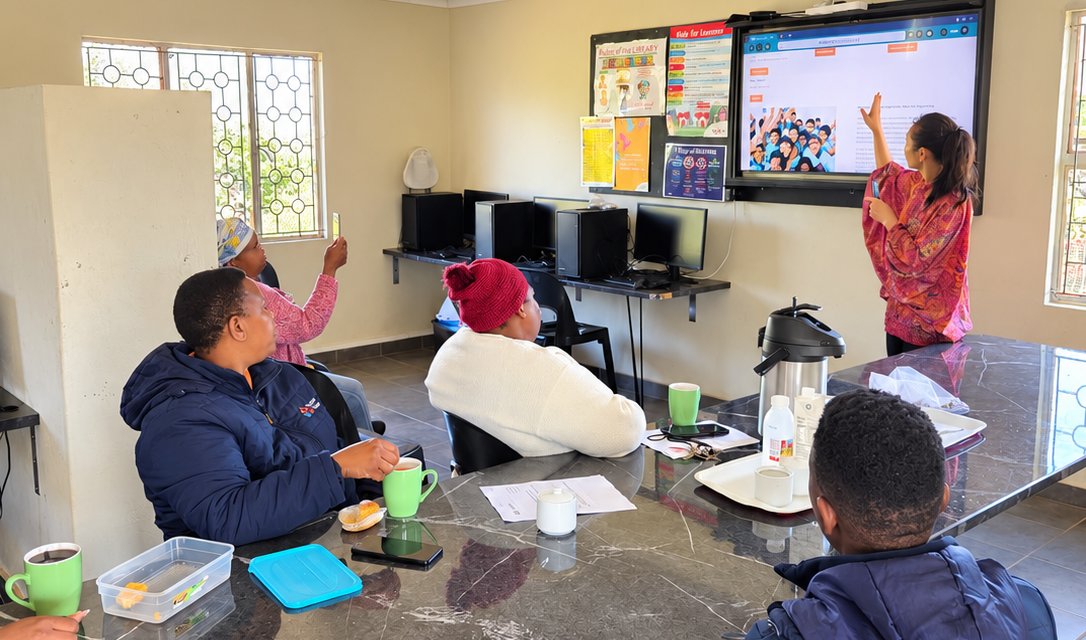
The first session was conducted with the house mothers who manage the daily operations of the family homes within Ya Bana Village.
These women carry significant responsibility, serving not only as caregivers but also as parental figures who provide structure, support and guidance to the children in their care. They balance household management, child development and emotional support.
The session focused on budgeting, saving, financial planning and healthy financial habits. Discussions highlighted how financial stability can contribute to stronger households and provide a positive example for the children.
The idea was simple: make money something that can be talked about openly and learned about together.
2. Young Adults
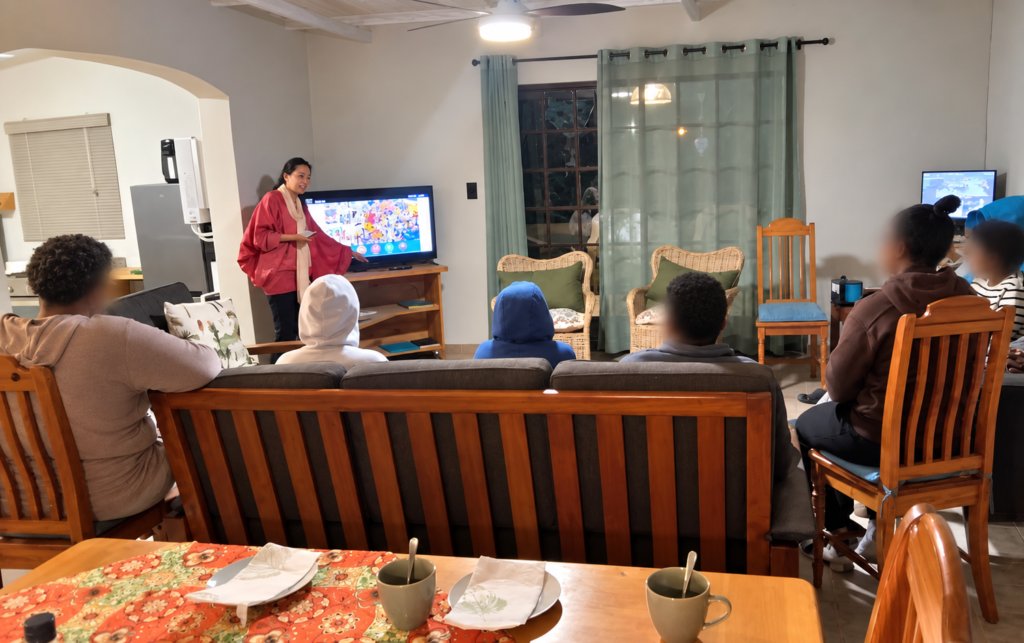
The second session involved young adults who are currently studying, participating in internships or gaining work experience. Some receive financial compensation, while others remain financially dependent on support structures.
Some were already saving for their education and future. Others were more focused on spending money on things they wanted now.
We talked about needs and wants, setting goals, saving and investing in yourself.
We also discussed how social media, marketing and algorithms can influence the way we spend money.
The message was not to stop dreaming, but to connect those dreams with small, practical financial choices today.
3. Fathers and Male Role Models
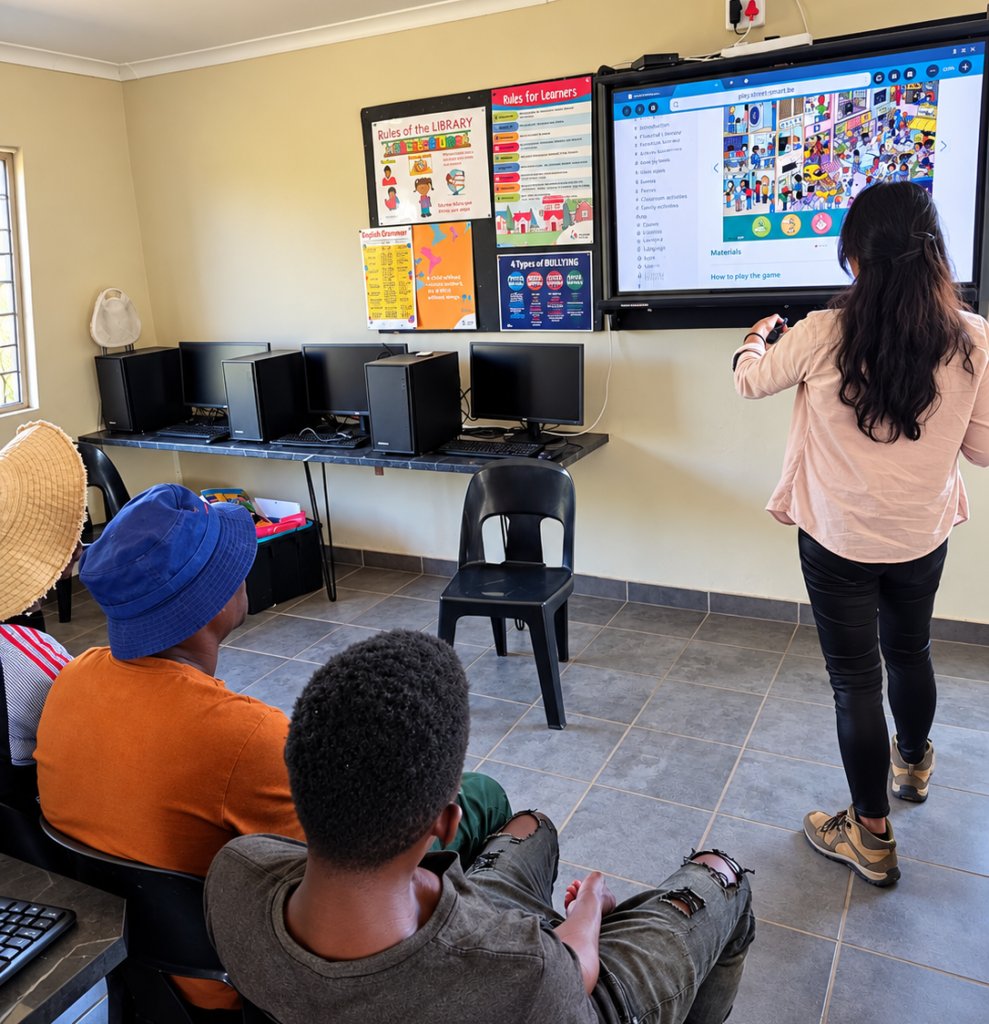
The third group consisted of maintenance workers and gardeners who also play an important role as mentors and role models within Ya Bana Village.
Here the conversation became very practical.
We talked about how small, recurring expenses can add up, and how even small changes in spending and saving can make a difference.
One young man shared his experience of running a small egg-selling business. His example opened the door to conversations about saving, investing, making a profit and reinvesting in a business.
It showed how financial literacy can connect directly to everyday life and opportunities.
4. Teenagers and Adolescents
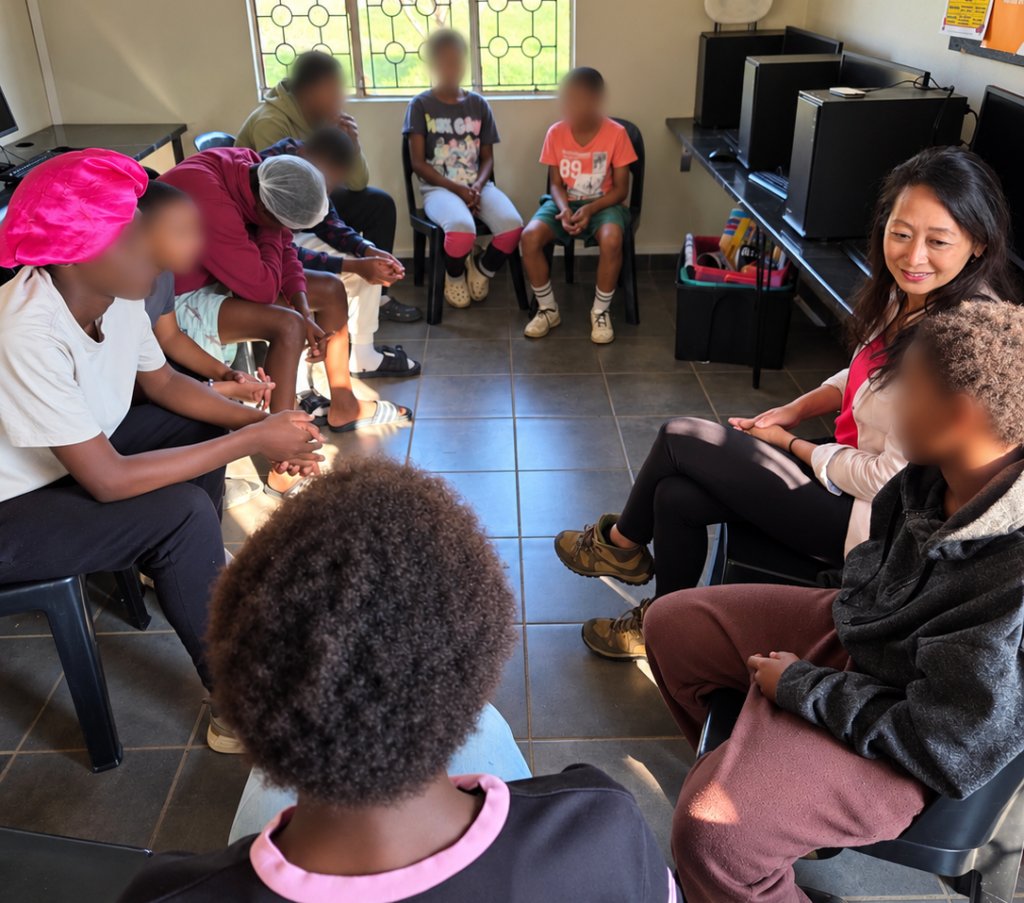
The teenagers were probably the most challenging group, but also one of the most interesting.
At first there was little engagement. So I decided to share some of my own story: becoming a young parent, facing financial challenges and learning to build a future through perseverance, education and self-development. That changed the atmosphere.
We started talking about dreams, entrepreneurship, money, social media, status and the reality behind financial success.
Several young people stayed behind afterwards to talk about their business ideas.
Rather than simply encouraging their dreams, we explored what it would actually take to turn those ideas into reality, and why starting small can be an important first step.
More than a financial literacy session
Looking back, the visit was about much more than teaching people how to save or budget.
It was about creating conversations about the future.
Across all four groups, a common message emerged:
Believe that change is possible.
Set meaningful goals.
Invest in yourself.
Make conscious choices.
Save consistently.
And start with small steps.
The Khazana Financial Literacy Programme was well received across the different groups and created meaningful conversations around saving, budgeting, responsible spending, entrepreneurship and personal development.
And I learned just as much as I shared.
My personal story helped create a connection, while Mirabelle’s local perspective was invaluable in making the conversations relevant to the community. Together, our different perspectives helped create trust and meaningful dialogue.
What happens next?
Perhaps the most important part of the visit is what happens after the visit. The conversations, materials and ideas are now in the hands of Ya Bana Village.
Khazana Foundation and Ya Bana Village are continuing the work together, exploring how the Financial Literacy Programme can become part of the ongoing development of the community and how its impact can be followed over time.
For me, that is what meaningful volunteering should be about: not simply coming in, sharing something and leaving, but helping create something that can continue without you.
And that is exactly the kind of connection I hope to build through FairestBnb.
The mission is theirs. The skills are ours to share. ❤️


